Introduction
Anemia is a common health problem that affects many people worldwide. It happens when your blood does not have enough healthy red blood cells. Because of this, your body may not get enough oxygen. As a result, you may feel tired or weak. Anemia can affect people of all ages, but it is especially important to spot it early. According to the World Health Organization (WHO), anemia is a major public health concern. Understanding anemia, its symptoms, and how it is diagnosed can help you stay healthy.
What Is Anemia?
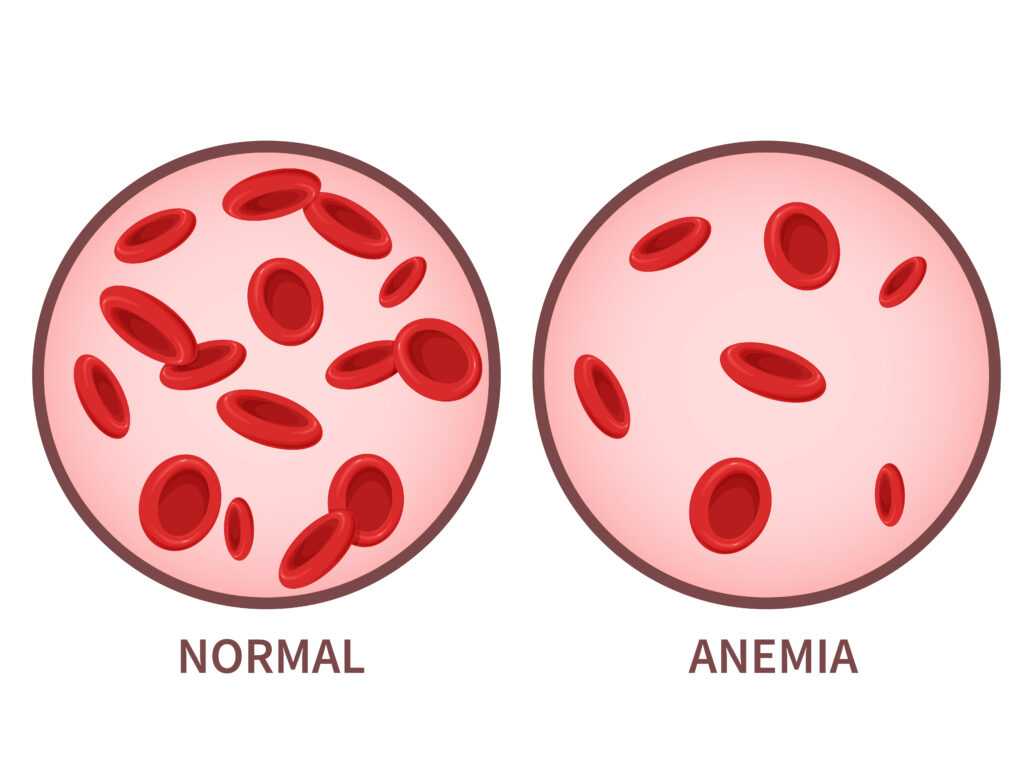
Anemia means you do not have enough red blood cells or hemoglobin. Hemoglobin is a protein in red blood cells that carries oxygen. When you have anemia, your body may not get the oxygen it needs. There are different types of anemia. Each type has its own cause and treatment. Some common types include:
Each type of anemia needs a different approach for treatment. However, all types can affect your health if not treated.
Causes of Anemia
There are many causes of anemia. Some causes are simple, while others are more serious. For example, you may develop anemia if you do not eat enough iron-rich foods. But sometimes, anemia can be a sign of another health problem. Common causes of anemia include:
Because there are many causes, it is important to find out why you have anemia. This helps your doctor choose the best anemia treatment options for you.
Symptoms of Anemia
Many people with anemia do not notice symptoms at first. However, as anemia gets worse, symptoms may appear. Common anemia symptoms include:
Sometimes, symptoms are mild and easy to miss. But if you notice any of these signs, it is a good idea to talk to your doctor. Early treatment can help prevent problems.
How Anemia Is Diagnosed
Doctors use several tests to find out if you have anemia. First, your doctor will ask about your symptoms and health history. Next, they may do a physical exam. After that, you will likely need a blood test called a complete blood count (CBC). This test checks your red blood cell and hemoglobin levels. If your levels are low, you may have anemia. Sometimes, more tests are needed to find the cause. These may include:
Because anemia in adults can have many causes, finding the right diagnosis is important. This helps guide the best treatment plan for you.
When to See a Doctor
If you feel tired, weak, or notice other anemia symptoms, you should see a doctor. Sometimes, anemia can be mild and easy to treat. But in other cases, it may be a sign of a more serious problem. You should also see a doctor if you have:
Early diagnosis and treatment can help you feel better and prevent complications. According to the Centers for Disease Control and Prevention (CDC), regular check-ups are important for your health.
Consult a healthcare professional for personalized advice on anemia.