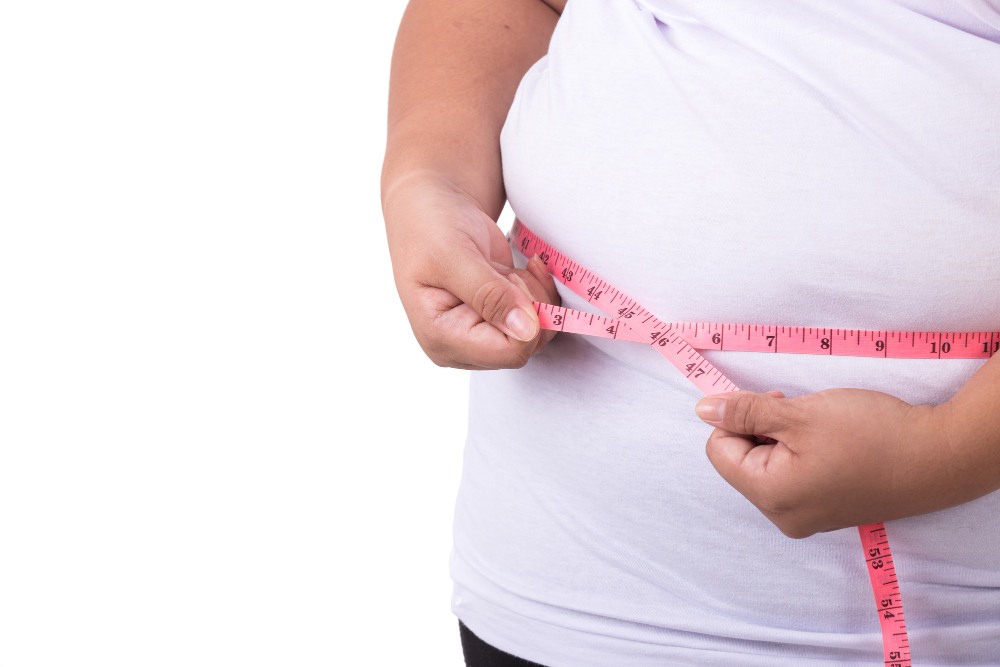
What Is Obesity?
Obesity means having too much body fat. It is more than just being overweight. In fact, doctors use a measure called Body Mass Index (BMI) to check for obesity. If your BMI is 30 or higher, you are considered obese. Obesity is a growing problem worldwide. According to the World Health Organization (WHO), rates of obesity have nearly tripled since 1975. Because of this, many people are at risk for serious health problems.
Common Health Complications Linked to Obesity
Obesity can lead to many health risks. Some of the most common complications of obesity include:
Because these complications are serious, it is important to understand how obesity affects health.
How Obesity Leads to These Complications
Obesity puts extra strain on your body. For example, carrying too much weight makes your heart work harder. This can lead to heart disease and high blood pressure. In addition, extra fat can cause your body to stop using insulin well. As a result, you may develop type 2 diabetes. Furthermore, fat around the neck can block airways, causing sleep apnea. Extra weight also puts pressure on your joints, leading to pain and arthritis. In some cases, obesity can raise the risk of certain cancers. Because of these effects, preventing obesity complications is very important.
Recognizing the Signs and Risks
It is important to know the signs of obesity and its risks. Some signs include:
Because these signs can affect daily life, it is wise to pay attention to them. If you notice these changes, you may be at risk for obesity health risks.
Prevention and Lifestyle Tips
Preventing obesity complications starts with healthy habits. Here are some tips to help you:
Because small changes can make a big difference, try to start with one or two tips. Over time, these habits can help prevent complications of obesity.
When to Seek Medical Advice
If you are worried about your weight or health, it is important to talk to a doctor. You should seek medical advice if:
Because early help can prevent serious problems, do not wait to reach out.
Frequently Asked Questions (FAQs)
Conclusion and Next Steps
Obesity is a serious health issue that can lead to many complications. However, you can lower your risk by making healthy choices. Because every person is different, it is best to get advice that fits your needs. Consult a healthcare professional for personalized advice on managing obesity and its complications.