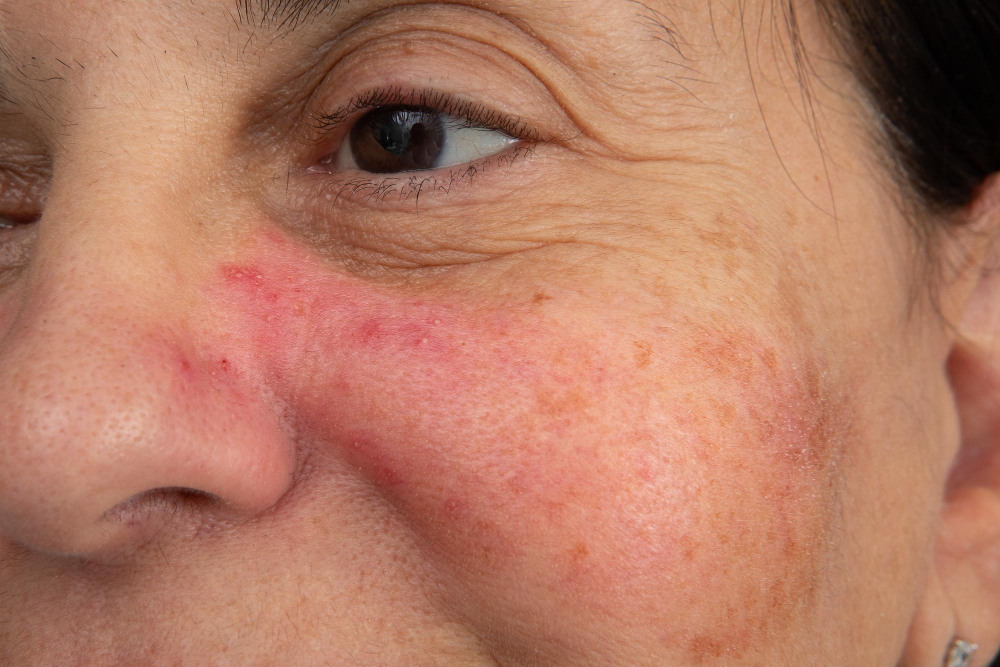
What Is Lupus?
Lupus is a long-term disease that affects the immune system. Normally, the immune system protects the body from germs. However, in lupus, the immune system attacks healthy tissues by mistake. This can cause swelling, pain, and damage in many parts of the body. Lupus is more common in women, but men and children can get it too. According to the CDC, lupus affects people of all ages and backgrounds.
Common Symptoms of Lupus
Lupus symptoms can vary from person to person. Sometimes, symptoms come and go. For example, you may feel fine for weeks and then have a flare-up. Common signs include:
Additionally, some people may have kidney problems, headaches, or memory issues. Because symptoms can be mild or severe, it is important to talk to a doctor if you notice any of these signs.
Causes and Risk Factors
Doctors do not know the exact cause of lupus. However, several factors may increase your risk. For instance, genetics can play a role. If someone in your family has lupus, your risk may be higher. Hormones also matter, since lupus is more common in women, especially during childbearing years. Environmental triggers, such as sunlight, infections, or certain medicines, can also start symptoms. Although anyone can get lupus, it is more common in people of African, Asian, or Hispanic backgrounds.
How Is Lupus Diagnosed?
Diagnosing lupus can be tricky. This is because its symptoms are similar to other illnesses. Usually, doctors use a mix of steps to find out if you have lupus. These may include:
Because lupus can affect many parts of the body, your doctor may refer you to a specialist, such as a rheumatologist. Early diagnosis helps manage symptoms and prevent complications.
Treatment Options and Management Strategies
There is no cure for lupus, but treatment can help control symptoms. Your doctor will create a plan based on your needs. Common treatments include:
In addition, regular check-ups are important. Your doctor may adjust your treatment if your symptoms change. With the right care, many people with lupus lead active lives.
Lifestyle Tips for Living with Lupus
Living with lupus can be challenging, but small changes can make a big difference. Here are some helpful tips:
Moreover, joining a support group can help you connect with others who understand your journey.
Prevention and Early Detection
Currently, there is no sure way to prevent lupus. However, early detection can help manage the disease better. For example, if you notice joint pain, rashes, or ongoing tiredness, see a doctor soon. Regular health check-ups are important, especially if lupus runs in your family. Early treatment can lower the risk of serious problems.
Conclusion
Lupus is a complex disease, but with the right care, you can manage it well. Remember, early diagnosis and treatment make a big difference. If you have symptoms or concerns about lupus, consult a healthcare specialist for personalized advice on managing lupus.